Flood Insurance in Texas
We provide Flood Insurance solutions to individuals and families in Texas and beyond.
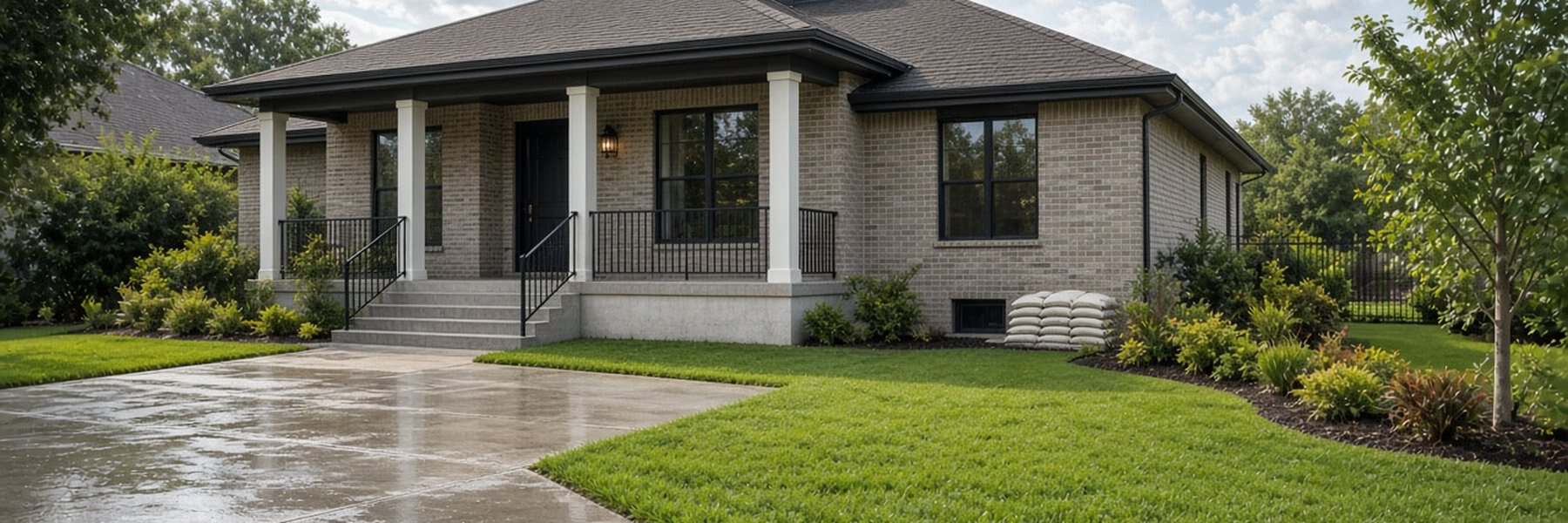
What is flood insurance and who may need it in Texas?
When heavy rains, hurricanes, or overflowing rivers strike, standard property policies typically leave you entirely responsible for the resulting destruction. This is exactly where flood insurance steps in to provide critical financial security. By definition, this specialized policy covers physical damage to your building and personal property caused directly by rising water from an outside source. Whether it is a flash flood in the Hill Country, a storm surge from the Gulf Coast, or prolonged rainfall in a suburban neighborhood, this coverage ensures you have the necessary funds to repair and rebuild your life without draining your savings.
Many property owners mistakenly assume they only need this coverage if they live in a federally designated high-risk area. However, water damage protection is essential for nearly everyone in the state. In fact, according to the National Flood Insurance Program, flooding is the most common and costly natural disaster in the United States, and it frequently occurs outside of mapped hazard zones. If you own a home, rent an apartment, or operate a commercial business, securing a dedicated policy is one of the smartest ways to safeguard your hard-earned assets against unpredictable weather patterns.
Federally backed mortgages actually require you to carry a policy if your structure sits in a Special Flood Hazard Area (SFHA). Yet, even if your lender does not mandate it, you should seriously consider buying a policy before the next storm season begins. Relying solely on federal disaster assistance is a risky strategy, as those funds are typically issued as loans that must be repaid with interest. Proactive coverage transfers the financial risk to an insurance provider, giving you total peace of mind when the next major storm inevitably hits the coast.
How is flood coverage used in the real world in Texas?
To understand the true value of this coverage, we only need to look at how residents and businesses in Texas actually utilize these policies today. The state faces an immense and accelerating risk from catastrophic weather events, making robust water damage protection an absolute necessity. According to First Street Foundation figures (as of 2020) cited by the Neptune Flood Research Group, over 2.1 million properties in the state are projected to face flood exposure over the next 30 years. This massive vulnerability requires immediate attention from homeowners and business owners alike.
Despite this massive vulnerability, a startling coverage gap remains. The same Neptune Flood Research Group report from 2025 notes that only 7% of residential properties statewide currently have an active policy. The people who do choose to use this coverage are often located along the Gulf Coast or in major inland metropolitan areas that have suffered repeated historical flooding. Coastal businesses, property investors, and long-time homeowners are the primary adopters. However, many residents in inland cities remain dangerously uninsured, with coverage rates sitting below 1% in several major metropolitan regions.
The table below provides a current snapshot of how people are using the federal program in the state, highlighting the sheer volume of claims and the financial payouts that have kept communities afloat over the last 10 years, based on data from the Neptune Flood Research Group.
| Texas flood coverage metric | Current value |
|---|---|
| Total federal payouts (past 10 years) | $11.6 billion |
| Total federal claims (past 10 years) | 150,000 |
| Residential properties covered statewide | 7% |
| High-risk zone buildings covered | 28% |
As the data clearly shows, while the total number of policies remains lower than it should be, the financial impact for those who do file claims is monumental. Without this coverage, thousands of families and local businesses would have faced total financial ruin following recent storms.
Get a Quote
How much does flood insurance cost in Texas?
One of the most common questions property owners ask is regarding the annual cost of flood insurance. Pricing can vary significantly based on your specific location, the elevation of your home, your deductible, and the total coverage limits you select. Under the federal government’s updated pricing methodology, premiums are now calculated using a more individualized approach that looks at your specific property’s distance to water, rebuilding costs, and historical weather patterns in your immediate neighborhood.
For those looking for a general baseline, a 2024 Policygenius analysis of 2023 National Flood Insurance Program rates shows that the average cost varies widely. However, your exact premium will depend heavily on your assigned hazard zone. Properties located in areas with a higher probability of taking on water will naturally see higher annual rates than those in moderate-risk areas.
The pricing table below breaks down national average annual costs by flood zone, as reported by Policygenius.
| Flood zone risk level | Average annual cost |
|---|---|
| High risk (all A and V zones) | $1,607 |
| Moderate to low risk (all B, C, and X zones) | $662 |
| Undetermined risk areas (Zone D) | $2,168 |
It is important to remember that private market alternatives are also available and can sometimes offer more competitive pricing or higher limits than the federal program. Shopping around is the best way to ensure you secure affordable water damage protection.
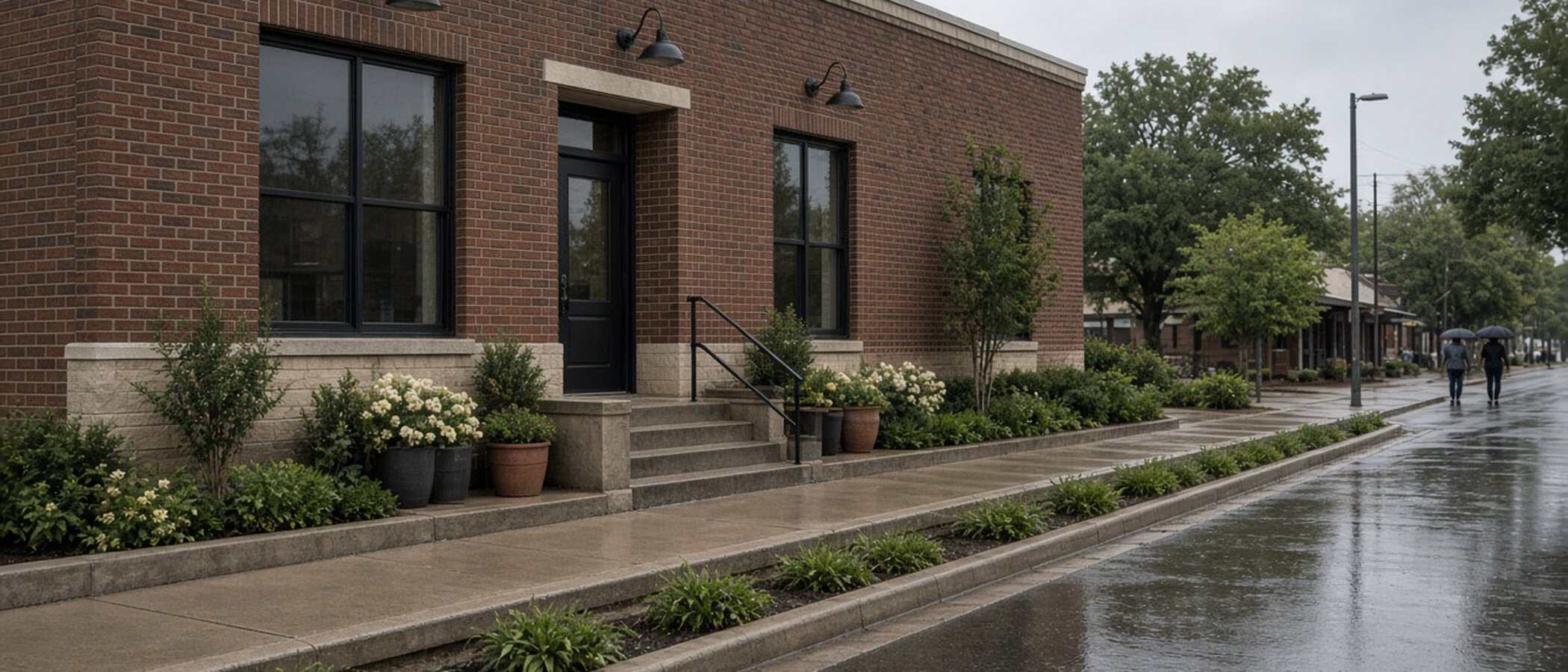
What should you consider when buying flood coverage?
When you start evaluating your options for coverage, there are several crucial limitations and policy details you must consider. First and foremost, you need to be aware of the strict coverage caps imposed by the National Flood Insurance Program. According to Inszone Insurance Services, standard federal policies will only cover up to $250,000 for your home’s physical structure and up to $100,000 for your personal belongings. If your home costs more than this to rebuild, you will need to explore supplemental private market policies to bridge the financial gap.
Another major factor to keep in mind is the waiting period. You cannot simply wait until a hurricane is named and heading toward the coast to purchase a policy. As noted by Inszone Insurance Services, federal policies typically require a mandatory 30-day waiting period before the coverage officially takes effect. This means proactive planning is the only way to ensure your property is shielded before disaster strikes your neighborhood.
Furthermore, you should understand exactly what is and is not covered. For example, federal policies pay out contents claims at actual cash value rather than replacement cost, meaning depreciation is factored into your payout for items like clothing and appliances. Additionally, temporary living expenses, such as hotel bills if your home becomes uninhabitable, are generally not covered by standard federal policies. Reviewing these limitations carefully ensures you select the right level of financial defense for your specific lifestyle and budget.
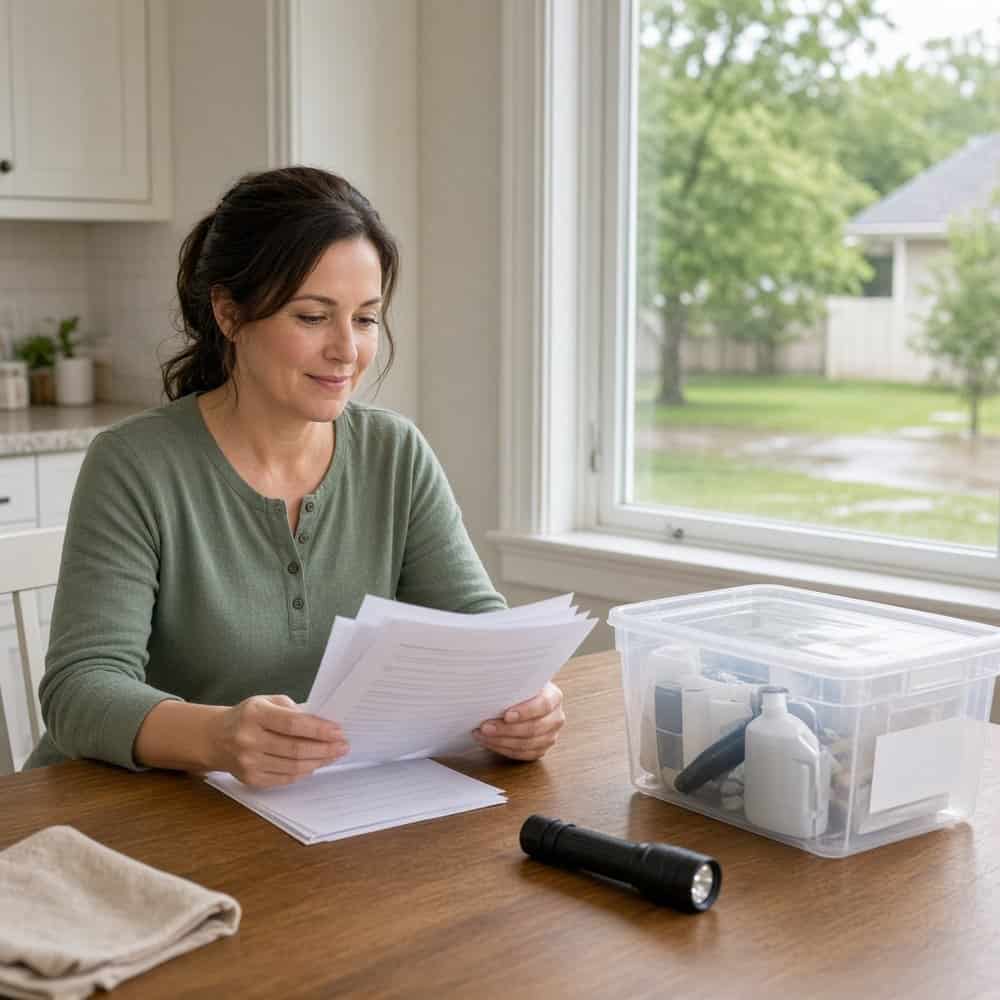
How does flood coverage compare to other related coverages?
A common point of confusion for property owners is understanding exactly how flood insurance interacts with other standard policies. Many people mistakenly believe their primary homeowner policy provides a safety net for all types of water intrusion. In reality, standard property policies explicitly exclude damage caused by rising ground water, storm surges, and overflowing rivers.
To build a truly resilient defense for your property, you typically need to combine multiple types of coverage. For example, while your standard policy covers a burst pipe inside the walls, it will do absolutely nothing if a nearby river breaches its banks and fills your living room. Similarly, coastal residents often need a separate policy just to handle the severe winds generated by tropical cyclones.
The comparison table below outlines how these different insurance products work together to provide comprehensive protection for your home.
| Insurance coverage type | Primary purpose | Typical usage in Texas |
|---|---|---|
| Dedicated flood policy | Covers damage from rising external water | Used for storm surge and heavy rainfall runoff |
| Homeowners insurance | Covers fire, theft, and internal water damage | Used for burst pipes and general property risks |
| Windstorm insurance | Covers severe wind and hail damage | Used to protect roofs and siding during hurricanes |
By understanding the distinct role each policy plays, you can eliminate dangerous gaps in your protection strategy and ensure your family is ready for any weather event.
What are the key statistics about flood coverage in Texas?
The historical data surrounding severe weather events provides a sobering look at why this coverage is so vital. Over the past few decades, Texas has endured some of the most destructive and costly storms in United States history. A closer look at the statistics reveals that the financial toll of these disasters is staggering, and the reliance on federal payouts is immense.
According to the Neptune Flood Research Group, the state ranks second nationally in total federal claims. The sheer volume of water dumped by slow-moving storms has repeatedly overwhelmed local infrastructure, leading to massive residential and commercial losses. For instance, Hurricane Harvey in 2017 remains one of the most catastrophic events on record, generating tens of thousands of claims and billions in payouts.
The statistics table below highlights the specific impact of Hurricane Harvey on the federal insurance program, based on data from the Neptune Flood Research Group.
| Hurricane Harvey metric | Reported figure |
|---|---|
| Total claims processed | 91,871 |
| Total amount paid | $9.04 billion |
| Average claim payout | $98,403 |
These figures demonstrate that when a major event occurs, the resulting damage is rarely minor. An average payout of nearly six figures shows that rising water routinely destroys floors, drywall, electrical systems, and personal belongings. Securing proper financial defense is the only proven way to survive these devastating statistics without facing bankruptcy or taking on decades of debt.
Who is flood coverage designed for in Texas?
Ultimately, this policy is designed for anyone who wants to protect their financial future from the unpredictable nature of severe weather. Whether you live in a coastal property in Galveston, a suburban home in Houston, or a commercial building in Dallas, the threat of rising water is a shared reality. Renters also benefit greatly from this coverage, as they can secure policies specifically tailored to replace their personal belongings, furniture, and electronics if their apartment complex takes on water.
We understand that navigating the complexities of the federal program and the private market can feel overwhelming. That is why we are dedicated to making the process as transparent and straightforward as possible. We help hundreds of customers with flood insurance in Texas every single year, ensuring they get the exact coverage limits they need to sleep soundly through storm season. Our team takes pride in educating our clients, explaining the fine print, and finding the most competitive rates available on the market today.
Our commitment to excellent service is reflected in our highly rated Google My Business page, where countless clients have shared their positive experiences working with our dedicated agents. We believe that everyone deserves access to top-tier water damage protection, which is why we can offer quotes without any sort of obligation. Reach out to our office today to discuss your property’s specific risk profile, and let us help you secure a policy that keeps your family and your finances safe.
Get in touch with our team!

For questions or concerns, please contact our independent insurance agents by filling out the form!
Cleburne Office
1609 N Main St Cleburne TX 76033
Granbury Office
1307 W Pearl St Granbury TX 76048
Stephenville Office
1298 W South Loop Ste 1 Stephenville TX 76401